




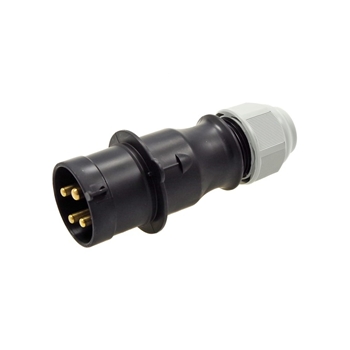
Charging System for Trucks and Commercial Vehicles – spare parts for reliable power supply in transport operations
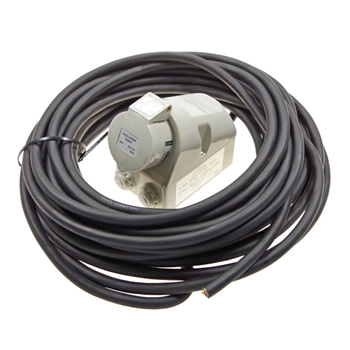
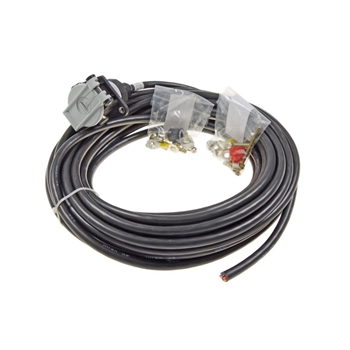
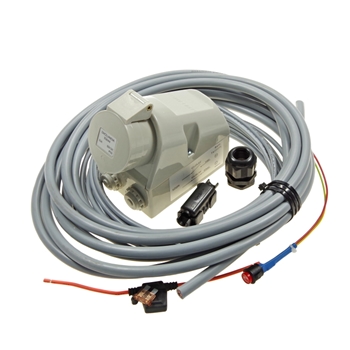
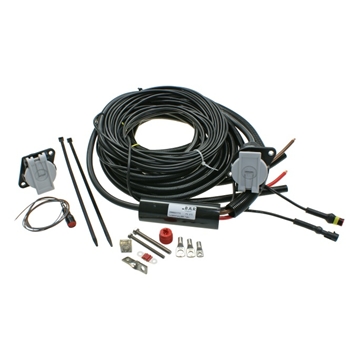
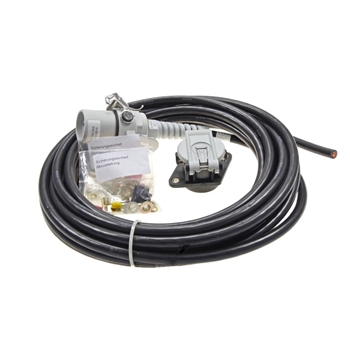
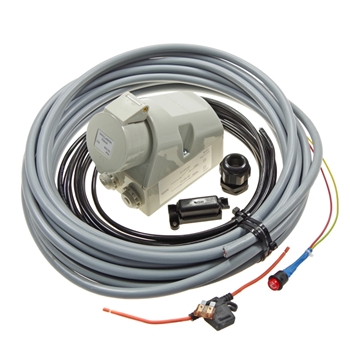
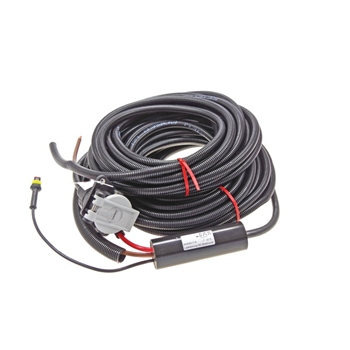
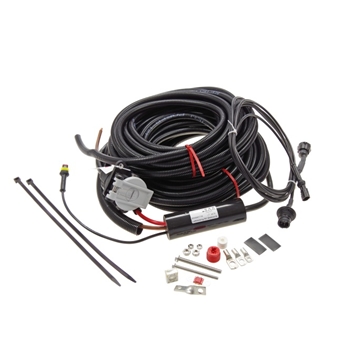
The charging system is an indispensable electrical connection component in trucks and commercial vehicles: it ensures permanent power supply between tractor unit and trailer and keeps the trailer battery charged while driving. Without an intact charging system, trailer batteries – responsible for lighting, braking systems and refrigeration – will discharge, with direct consequences for vehicle safety and uninterrupted transport operations. On vehicles with a tail gate where trailer electrics are used particularly intensively, charging systems must be inspected regularly as highly stressed spare parts. SULEJ Ladebordwand supplies tested charging systems for trucks and commercial vehicles in common versions and lengths.
Function and design: how the charging system works in truck and commercial vehicle operation
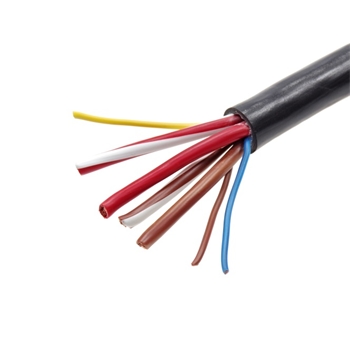
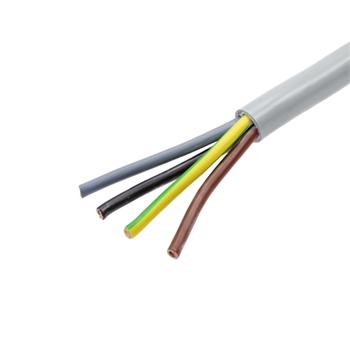
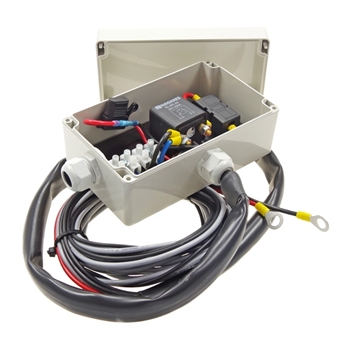
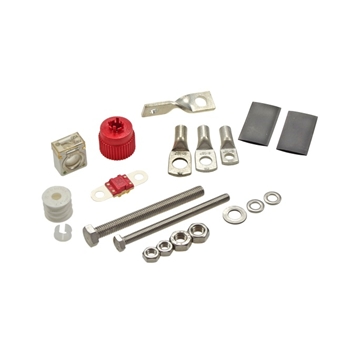
The charging system electrically connects the alternator of the tractor unit to the battery of the trailer. The charging voltage is transmitted via a separate core in the connecting cable as soon as the alternator is running. An integrated isolating relay prevents the tractor unit battery from being discharged by the trailer battery when the vehicle is stationary. High-quality charging systems use adequately dimensioned conductor cross-sections (typically 2.5–6 mm² depending on vehicle type) to keep voltage drops low and ensure effective charging even over long cable lengths. Robustly insulated terminal connectors and reliable plug connectors are further features of professional charging systems for commercial transport use.
Charging system for trucks: versions, lengths and standards
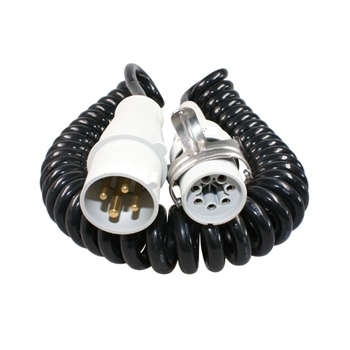
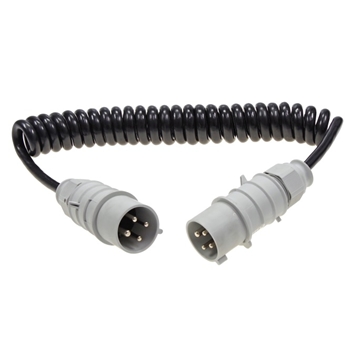
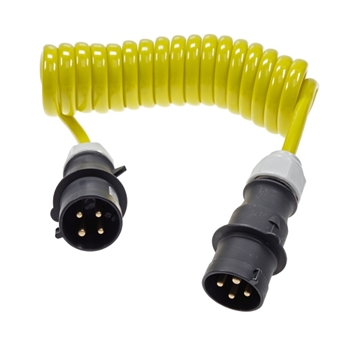
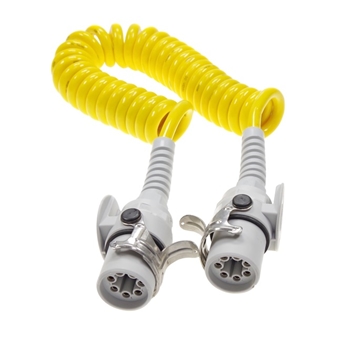
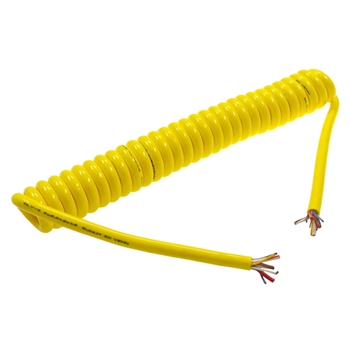
Coiled cables: The most common design for truck charging systems. The coiled cable compensates for length differences during manoeuvring and protects against kinking and mechanical damage through its spiral form. Standard lengths: 3 m to 7.5 m (extended).
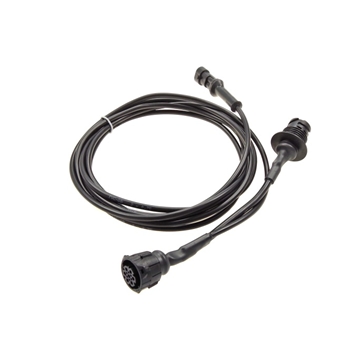
Flat cables and fixed cables: For fixed installation positions in cable ducts or under protective conduit. Offer lower resistance at large cross-sections but require adequate strain relief and bend radius protection.
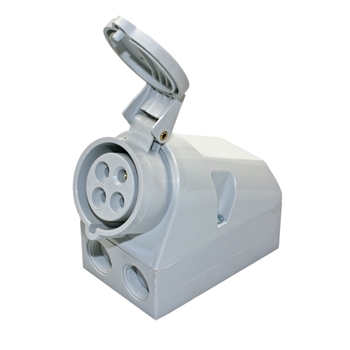
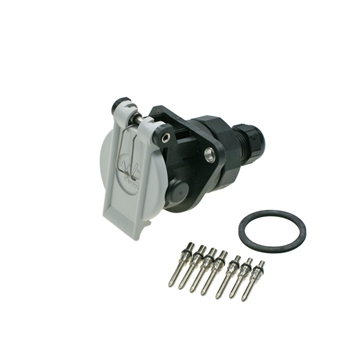
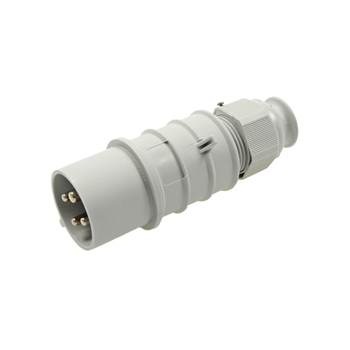
Connectors and standards: Charging systems for trucks and commercial vehicles are fitted with 7-pin ISO connectors (ISO 1185 / ISO 3731). The pin assignment is standardised; contact no. 1 or a separate core is reserved for the charging function.
