

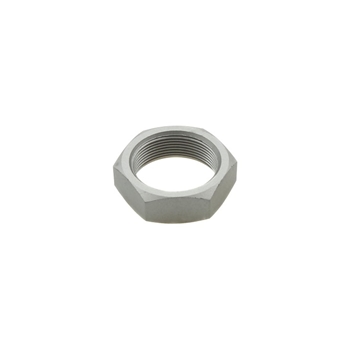
Nuts

Topseller in dieser Kategorie

Nuts for Tail Gates and Mechanical Engineering – Secure Connections for Loaded Fastenings

Nuts are fundamental fastening elements in mechanical engineering and play a central role in the secure fixing of mechanical components. In this category you will find nuts suitable for use on tail gates, in vehicle bodies and in general technical applications. In combination with screws, they create stable, load-bearing and detachable connections that reliably withstand vibration, changing loads and demanding operating conditions. Nuts therefore make a decisive contribution to operational safety, stability and durability of mechanical systems.

Where Nuts Are Used in the System

Nuts are used wherever components need to be connected by force-fit. On tail gates, they secure connections on lifting arms, pivot points, hydraulic components or mounting elements of attachments. They ensure that bolted connections remain stable even under dynamic loads and do not loosen unintentionally. Nuts also perform this function in other machines and vehicles and are therefore universally applicable. It is crucial that the nut matches the bolt and the mechanical load precisely to ensure a secure connection over time.

Designs, Thread Types and Technical Variants at a Glance

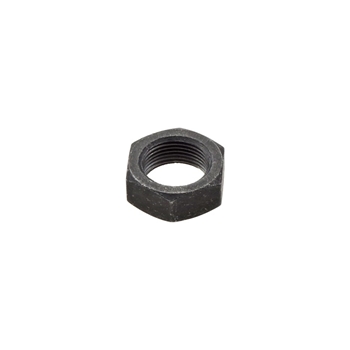
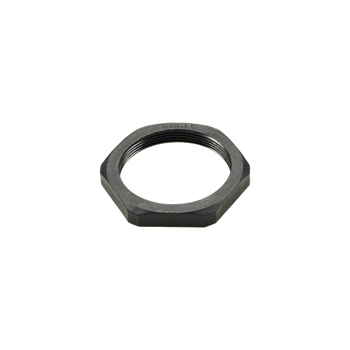
Nuts are available in numerous designs and versions to meet different requirements. The most common variants include hex nuts, self-locking nuts, flange nuts or cap nuts. Each design fulfils a specific function – from simple fastening to additional protection against loosening. A key feature is the thread type. Metric threads are standard in mechanical and vehicle engineering and must match the respective bolt exactly. Strength classes also play an important role, as they determine the loads the connection can withstand. Surface finish is also relevant: zinc-plated or coated nuts offer protection against corrosion and are particularly suitable for outdoor use or changing weather conditions.

Load, Wear and Typical Weak Points

Although nuts are considered robust fastening elements, they can be affected by mechanical stress, vibration or corrosion during operation. Especially in highly stressed connections, loosening or material wear can occur. Typical problems include loosened fastenings, damaged threads or corrosion damage that impairs the strength of the connection. Such weak points should be identified early and rectified during maintenance and repair to avoid consequential damage to adjacent components.

What Matters When Selecting and Replacing

When selecting nuts, it is crucial that thread, strength class and design match the application exactly. Only then can the required clamping force be achieved and a secure connection ensured. The combination with suitable locking elements – such as self-locking nuts or additional securing systems – may also be necessary to prevent unintentional loosening. Replacing nuts is one of the basic repair measures and should always be carried out with suitable, high-quality components. Incorrect selection can impair the stability of the entire connection and lead to safety-related issues.

Quality and Reliability of Nuts in Use

The quality of nuts has a direct impact on the safety and durability of bolted connections. Inferior materials or inaccurate threads can lead to connections not achieving the required strength or loosening during operation. High-quality nuts are characterised by precise manufacturing, defined strength classes and reliable surface coatings. At SULEJ Ladebordwand you will find precisely fitting nuts suitable both for use on tail gates and for general mechanical engineering applications. They help to create secure connections, reduce maintenance effort and ensure long-term operational safety. The nuts offered in this category are suitable for a wide range of applications and enable quick selection of suitable fastening elements for maintenance, repair and replacement.

Frequently Asked Questions About Nuts (FAQ)

How can I recognise an unsuitable or damaged nut?

Typical signs are damaged threads, corrosion or insufficient seating on the bolt. In such cases, the nut should be replaced to ensure connection stability.

Which nut is the right one for my application?

Thread size, strength class and design are decisive. These must match the bolt used and the mechanical load exactly.

Should I replace nuts during every repair?

Replacement is recommended for safety-relevant connections or visible wear. Self-locking nuts in particular should often be replaced after removal to maintain their locking function.

Need Support or Spare Parts?

Rely on SULEJ Ladebordwand – we combine high-quality original parts with excellent service and genuine passion for technology.

Contact