

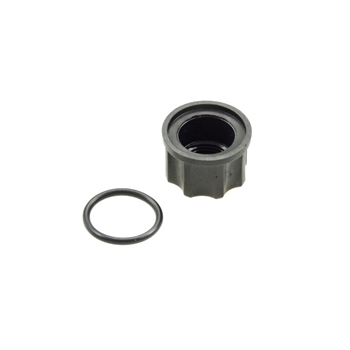

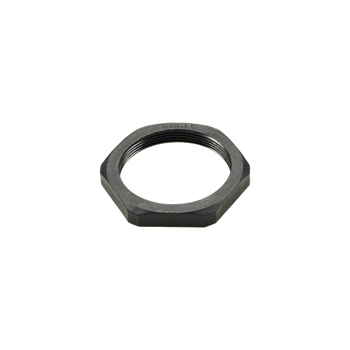
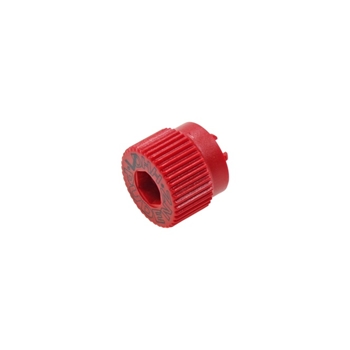
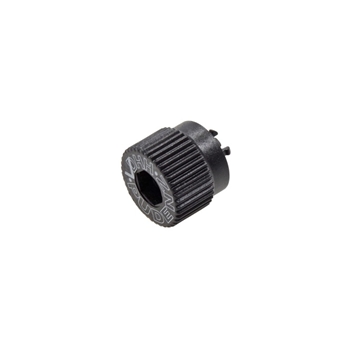


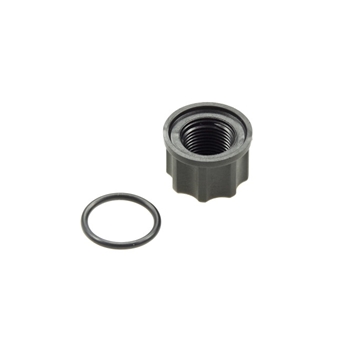


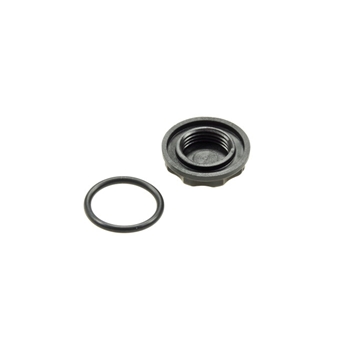
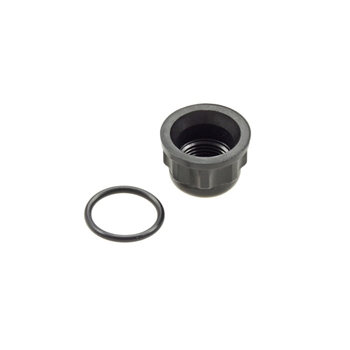


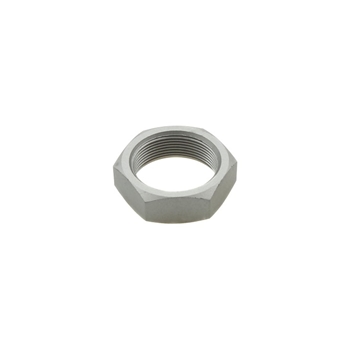
Nuts for Tail Gates and Mechanical Engineering – Secure Connections for Loaded Fastenings
Nuts are fundamental fastening elements in mechanical engineering and play a central role in the secure fixing of mechanical components. In this category you will find nuts suitable for use on tail gates, in vehicle bodies and in general technical applications. In combination with screws, they create stable, load-bearing and detachable connections that reliably withstand vibration, changing loads and demanding operating conditions. Nuts therefore make a decisive contribution to operational safety, stability and durability of mechanical systems.
Where Nuts Are Used in the System
Nuts are used wherever components need to be connected by force-fit. On tail gates, they secure connections on lifting arms, pivot points, hydraulic components or mounting elements of attachments. They ensure that bolted connections remain stable even under dynamic loads and do not loosen unintentionally. Nuts also perform this function in other machines and vehicles and are therefore universally applicable. It is crucial that the nut matches the bolt and the mechanical load precisely to ensure a secure connection over time.
Designs, Thread Types and Technical Variants at a Glance
Nuts are available in numerous designs and versions to meet different requirements. The most common variants include hex nuts, self-locking nuts, flange nuts or cap nuts. Each design fulfils a specific function – from simple fastening to additional protection against loosening. A key feature is the thread type. Metric threads are standard in mechanical and vehicle engineering and must match the respective bolt exactly. Strength classes also play an important role, as they determine the loads the connection can withstand. Surface finish is also relevant: zinc-plated or coated nuts offer protection against corrosion and are particularly suitable for outdoor use or changing weather conditions.
