

Boarding aids for trucks and commercial vehicles – safe entry and exit at the driver's cab
Boarding aids are the steps, climbing rungs and handrails that enable safe entry and exit to the driver's cab of trucks and commercial vehicles. They are an essential component for the operational safety and ergonomics of the driving personnel and relieve knees, hips and back during the many entry and exit cycles in daily operation. In this category you will find boarding aids for the lateral step areas of the driver's cab, matching brackets and fastening elements, as well as solutions for replacing damaged or corroded components. At SULEJ Ladebordwand, decades of experience in maintenance and repair of commercial vehicles flow directly into the selection of these components – for a non-slip, stable and durable step surface under all weather conditions.
Function and area of application on the truck
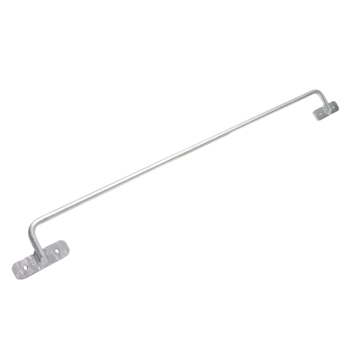
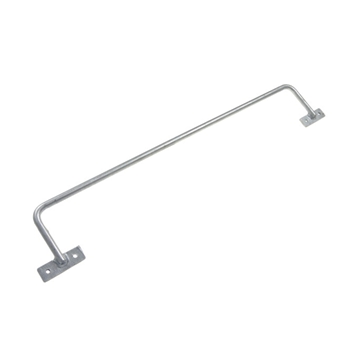
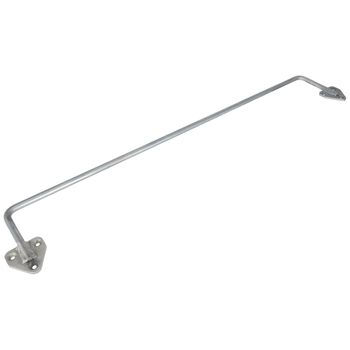
Boarding aids are located laterally on the driver's cab below the door and bridge the height difference between the road surface and the cab floor. Depending on the design, they are configured as a single step or as a multi-step climbing ladder. A secure step surface, sufficient tread width and a defined distance between the steps are decisive for safe footing. Boarding aids are often complemented by handrails on the A-pillar that provide additional stability when getting in and out. For commercial vehicles with raised construction or special bodies, folding or extendable solutions are also used that remain protected and retracted while driving.
Designs, materials and structural variants
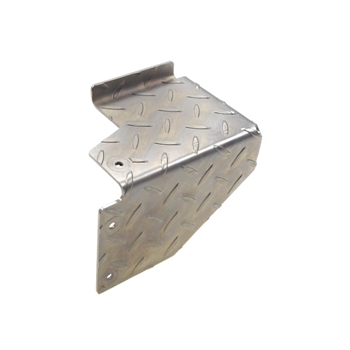
Boarding aids are produced in various designs and materials to meet the requirements of different truck models and application areas. Common versions are made of aluminium, galvanised steel, stainless steel and fibre-reinforced plastic. Aluminium offers low weight and high corrosion resistance, steel and stainless steel provide high strength, plastic versions reduce overall weight and are insensitive to road salt.
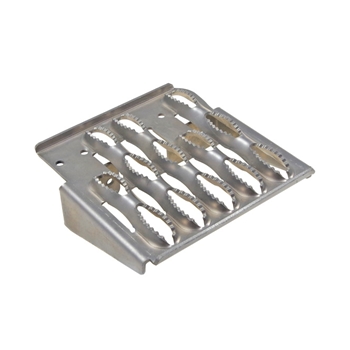
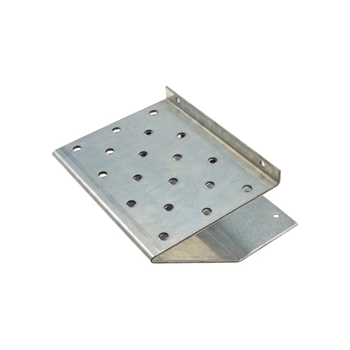
The step surfaces are usually provided with grooving, perforation or a non-slip coating to offer sufficient grip even in wet conditions, snow or oil. Mounting brackets, welded points or pre-drilled hole patterns allow precise replacement on common cab types. The dimensions are based on the respective chassis, so that spare parts can be installed in many cases without modifying the body.
