



Cab accessories for the tail lift – cab switches, wiring harnesses and control units
Cab accessories refer to the components in the truck cockpit that activate, monitor and control the tail lift from the driver's seat. The central element is the cab switch, which enables the operational readiness of the tail lift – without this release, the lifting mechanism itself cannot move. In this category you will find cab switches, associated control current cables and wiring harnesses, as well as control units for continuous use on trucks and commercial vehicles. At SULEJ Ladebordwand, decades of experience in maintenance and repair of tail lifts flow directly into the selection of these components – for safe operation in the cab and reliable signal transmission all the way to the lifting mechanism.
Function of the cab switch – release of operational readiness
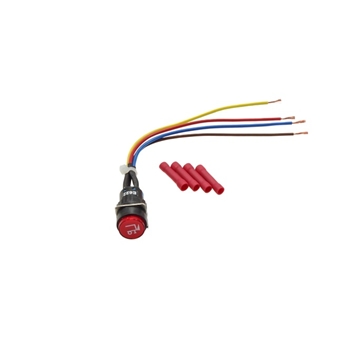
The cab switch is the central operating point in the truck cockpit for the tail lift. It safely separates the control circuits from the on-board electrical system when the lift is at rest and only releases them when the tail lift is actually required. Only after the switch is activated is voltage forwarded to control box, foot switch and operating elements on the lift platform. The cab accessories thus fulfil an important protective function: they prevent unintended start-up while driving, protect the system against unauthorised use and reduce the load on the electrical components at standstill. An integrated indicator lamp or control unit displays the switching state at any time.
Designs, wiring harnesses and control units
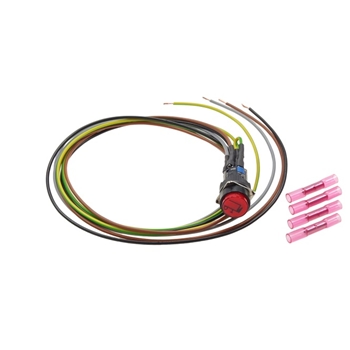
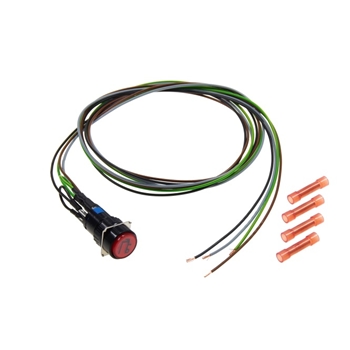
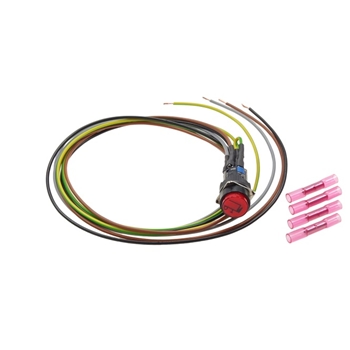
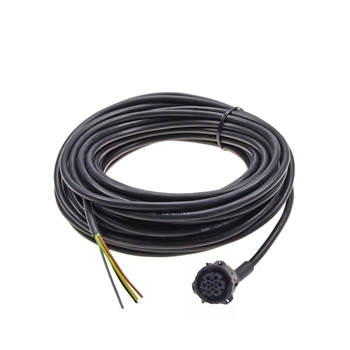
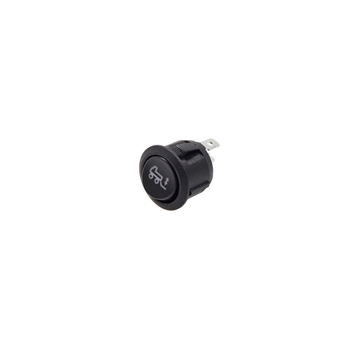
Cab switches are manufactured in different designs to meet the requirements of various truck manufacturers and commercial vehicle models. Common versions are toggle switches, rocker switches and push buttons with integrated lighting. The associated wiring harnesses connect switch, fuse distributor, control box and main circuit board.
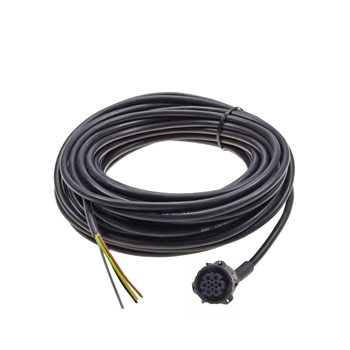
The cables are usually configured as pre-assembled control current lines with matching connectors and protective hoses. They can therefore be installed in a workshop-friendly way on the commercial vehicle and are protected against mechanical stress, heat and moisture. Control units complement the range and display operating states such as active tail lift, opened platform or fault messages directly in the driver's field of vision.
