


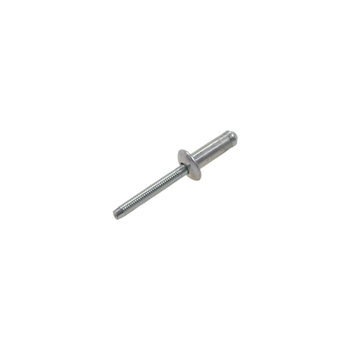

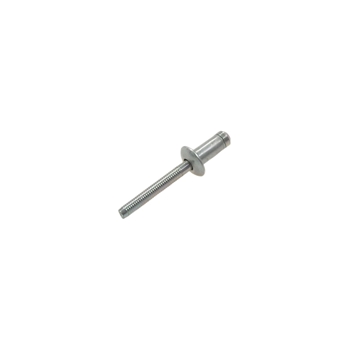
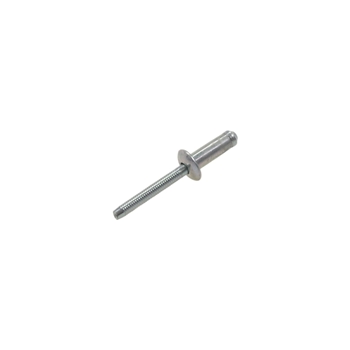
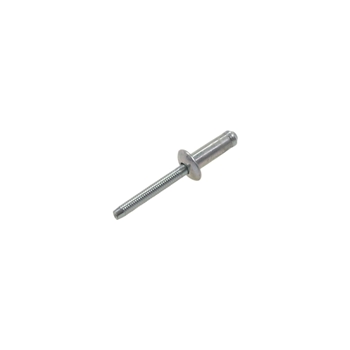
Rivets for Tail Gates and Mechanical Engineering – Permanent Connections for Loaded Components
Rivets are proven fastening elements in mechanical engineering and are used wherever permanent and vibration-resistant connections are required. In this category you will find rivets suitable for use on tail gates, in vehicle bodies and in general technical applications. Unlike detachable bolted connections, rivets create fixed connections that do not loosen even under high loads and continuous movement. Rivets therefore make an important contribution to the stability, safety and durability of mechanical constructions.
How Rivets Are Used in the System
Rivets are used wherever components are to be permanently joined. On tail gates, they are used, for example, to fasten sheets, covers, brackets or lightweight structural elements. They ensure that connections remain stable even under vibration, shock loads and changing operating conditions. Rivets are also widely used in vehicle construction and other machines. They are particularly suitable for thin-walled materials or components where a bolted connection is not practical or possible.
Types and Technical Differences at a Glance
Rivets are available in various designs, each intended for different applications. The most common types include blind rivets (pop rivets), solid rivets and semi-tubular rivets. Blind rivets are often used when the connection is accessible from only one side, while solid rivets are mainly used for highly loaded connections. Another distinguishing feature is the rivet head, which can be flat, round or countersunk depending on the application. The correct design depends on material, load and construction requirements.
