


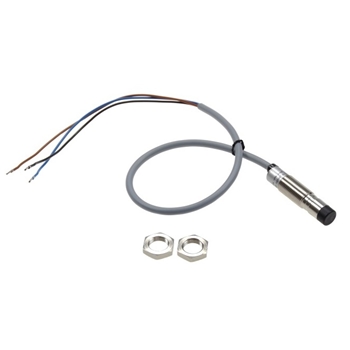
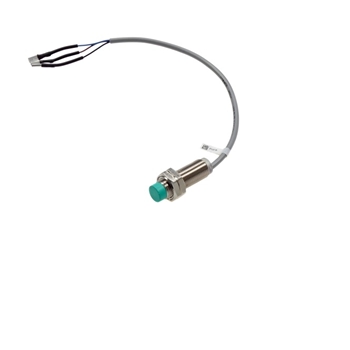

Proximity switches – position detection with reed, hall and inductive technology
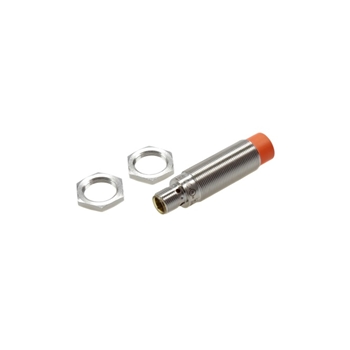
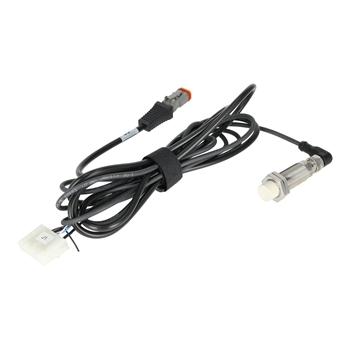
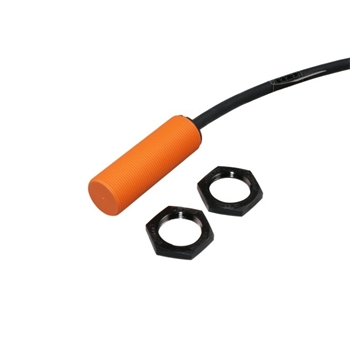
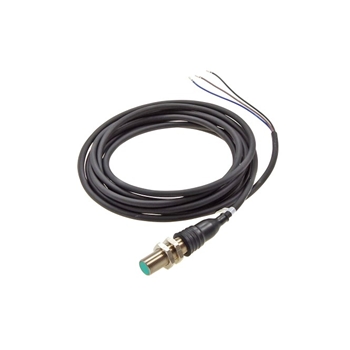
Proximity switches detect the position of tail lift components without mechanical contact – optionally via reed contact, hall element or inductive coil. They report important end positions to the control unit, such as a closed platform, the fully folded underride guard or the position of a locking pin. At SULEJ Ladebordwand you will find proximity switches based on different operating principles and connection variants, matched to the respective installed component – for reliable position feedback in daily truck operation.
Reed, hall and inductive – operating principles in direct comparison
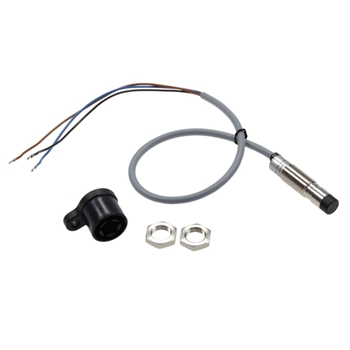
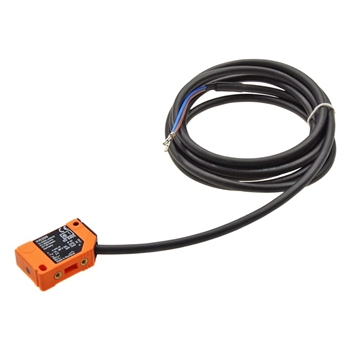
Reed switches work with a magnetically actuated glass-tube contact and are particularly simple in design and wiring. Hall sensors electronically evaluate the magnetic field of a trigger magnet and deliver a wear-free, bounce-free signal. Inductive versions detect metallic damping elements via an HF coil and operate independently of additional magnets. Which principle is used depends on the installation location, exposure to dirt and the required switching frequency. Different housing shapes – cylindrical, rectangular or potted in a protective block – are precisely matched to the respective mounting position on frame, lifting arm or platform.
