










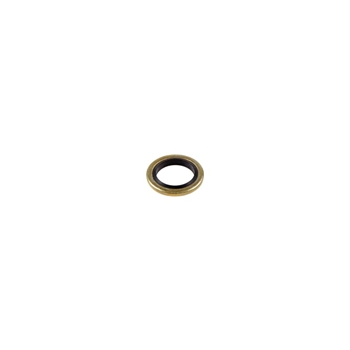


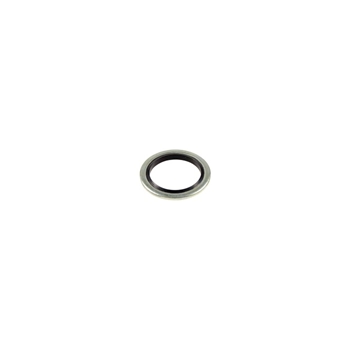
Sealing Rings for Hydraulics, Mechanical Engineering and Tail Gates – Reliable Sealing in the System
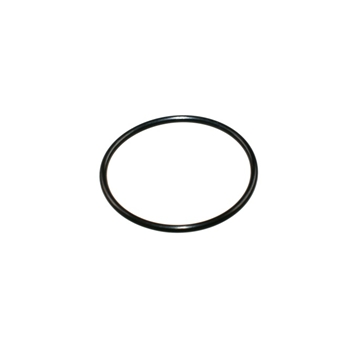
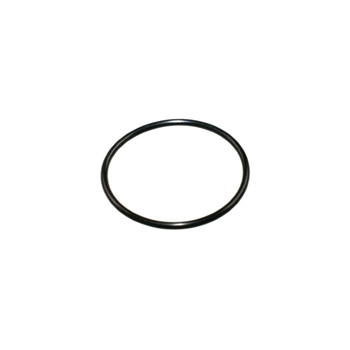
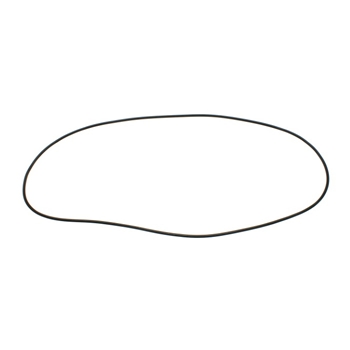
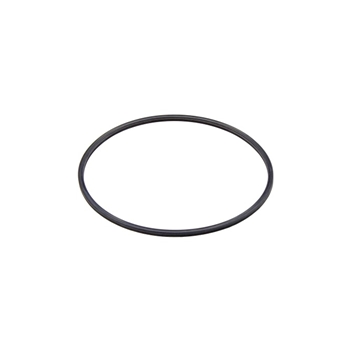
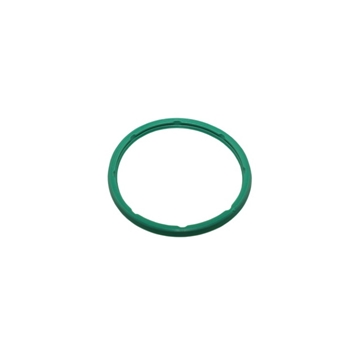
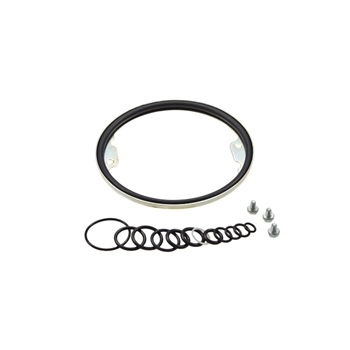
Sealing rings are universal sealing elements in mechanical engineering and perform a central function in a wide range of technical applications. In this category you will find sealing rings suitable for use in hydraulic systems, mechanical assemblies and especially on tail gates. They ensure that liquids and pressure media are reliably retained within the system while also preventing the ingress of dirt, moisture and foreign particles. Sealing rings therefore make a decisive contribution to the functional reliability, efficiency and service life of technical systems.
Function and Application Areas of Sealing Rings
Sealing rings are used wherever moving or static components must be reliably sealed against each other. In hydraulic systems they prevent hydraulic oil from escaping and thus maintain the necessary operating pressure. At the same time, they protect sensitive components from external influences and reduce wear on sealing surfaces and moving parts. On tail gates, sealing rings perform important functions in hydraulic cylinders, valves and line systems. They ensure that pressure can be built up and maintained and that platform movements run smoothly and in a controlled manner. They fulfil comparable functions in other machines and systems as well and are therefore universally applicable.
Designs, Materials and Technical Versions
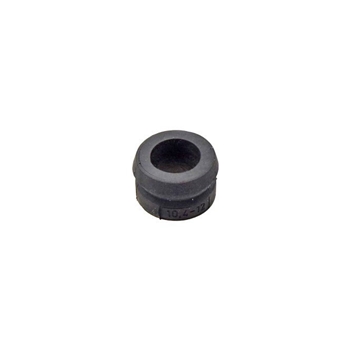
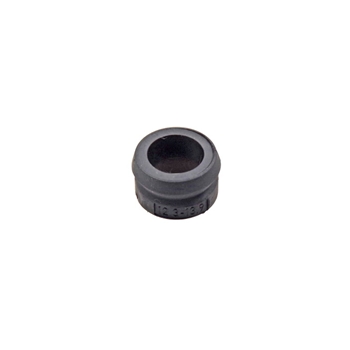
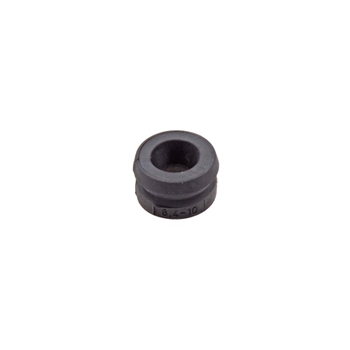
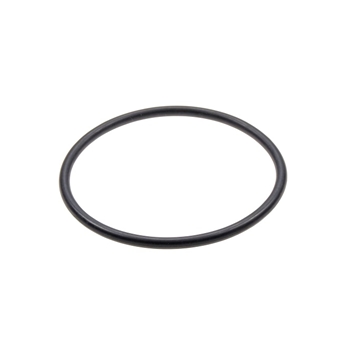
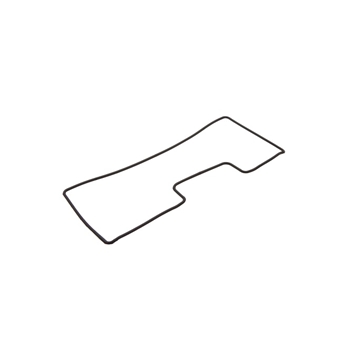
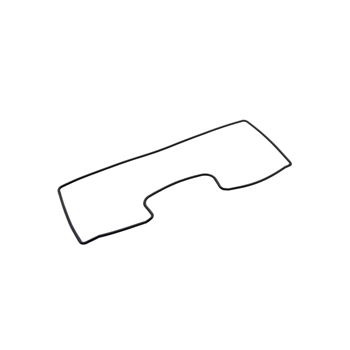
Sealing rings are manufactured in different designs and materials to meet the respective requirements. Depending on the area of use, O-rings, shaft sealing rings or special profile seals are used, for example. The selection depends, among other things, on pressure, temperature, medium and mechanical load. Typical materials include NBR (nitrile rubber), FKM (Viton) or other elastomeric materials that offer high resistance to oil, temperature and mechanical stress. PTFE-based seals are also used for special applications and are characterised by particularly low friction and high chemical resistance. A precisely fitting design is crucial: only correctly dimensioned sealing rings ensure reliable sealing and prevent leaks or premature wear.
