

Cable Glands for Electrical Systems and Tail Gates – Secure Connection and Reliable Sealing
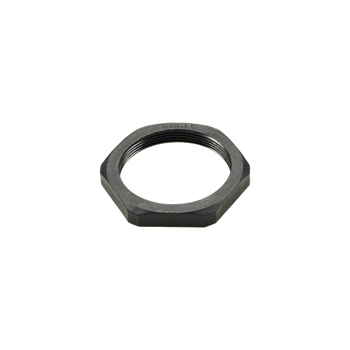
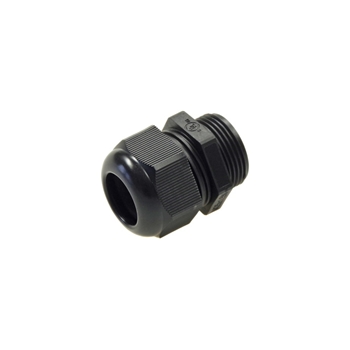
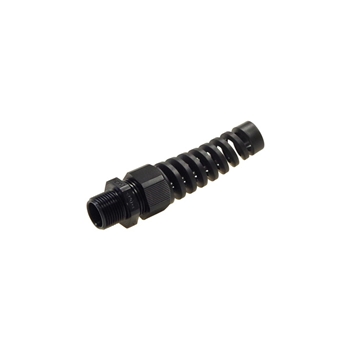
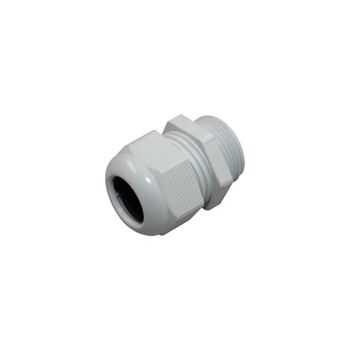
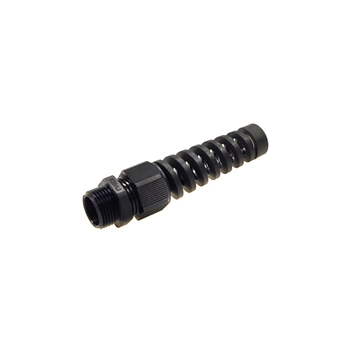
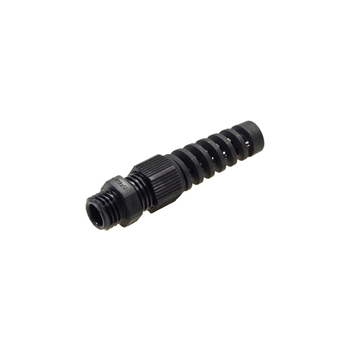
Cable glands are universal connection elements in electrical systems and perform a central function in the secure routing and sealing of cables. In this category you will find cable glands suitable for use in industrial applications, in the vehicle sector and especially on tail gates. They ensure that cables are reliably fixed, protected against strain and at the same time shielded from external influences such as moisture, dirt and mechanical stress. Cable glands therefore make a decisive contribution to operational safety, functional reliability and the service life of electrical systems.
Function and Application Areas in Electrical Systems
Cable glands are used wherever electrical cables must be safely introduced into housings, control units or distributors. They ensure a secure mechanical connection between the cable and the housing and prevent tensile forces from acting directly on the electrical contacts. At the same time, they seal the entry point and protect the interior of the system from environmental influences. On tail gates, cable glands are used particularly in control housings, switch boxes and electrical connection units. They secure the power supply for control elements, sensors and hydraulic controls and help to ensure that electrical signals are transmitted reliably. They also fulfil this task in other machines and vehicles and are therefore versatile in use.
Designs, Materials and Protection Ratings
Cable glands are available in different designs and materials in order to meet the respective requirements. Among the most important distinguishing features are thread type, clamping range and protection rating. Depending on the application, metric or PG threads are used, enabling secure installation in different housings. Typical materials are plastic or metal. Plastic versions offer good resistance to corrosion and are electrically insulating, while metal cable glands provide particularly high mechanical stability and load capacity. The protection rating is also decisive, for example IP65 or IP68, which indicates how well the gland is protected against dust and water. A precisely fitting selection is essential: only cable glands with a suitable clamping range and an appropriate seal ensure reliable sealing and secure strain relief.
